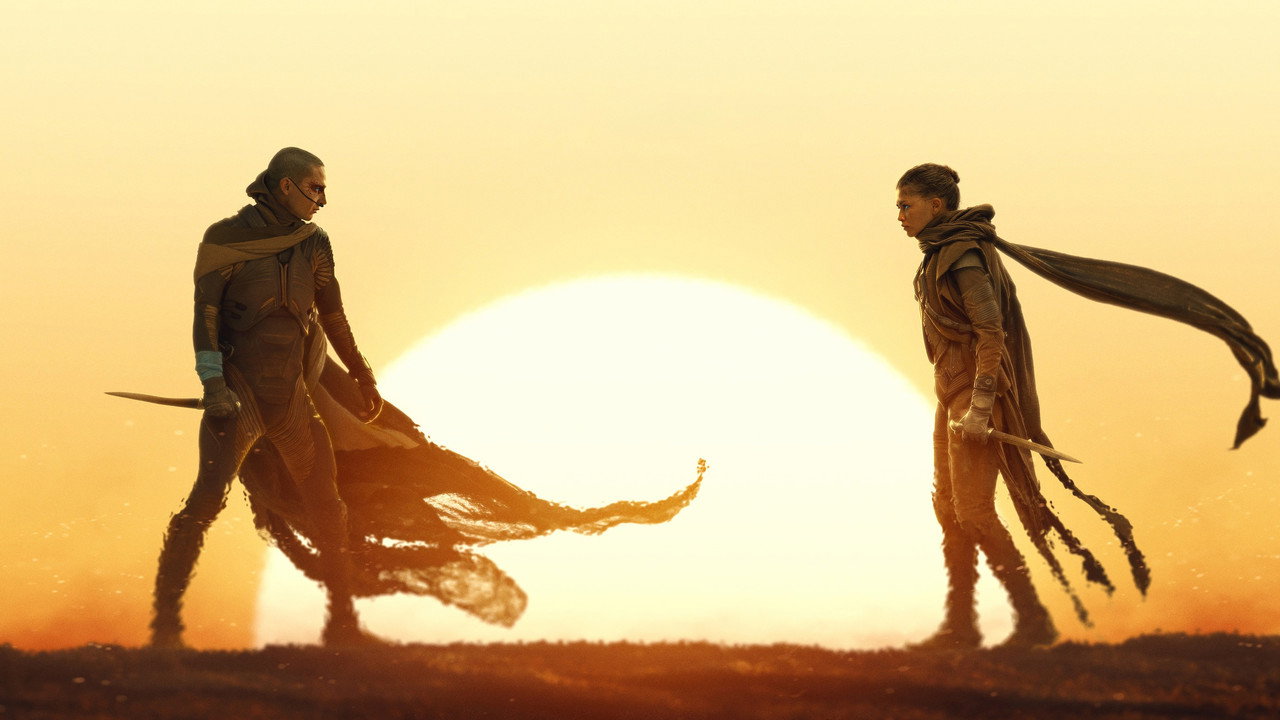
Deconstructing the Legend of Muad'Dib
Denis Villeneuve never planned to deliver a triumphant space fantasy. Adapting Frank Herbert's Dune Messiah, this third installment fast-forwards roughly twenty years, finding Timothée Chalamet's Paul Atreides trapped by the very holy war he unleashed across the cosmos. No longer the desperate young duke fighting for survival, Paul sits upon an imperial throne corroded by religious zealotry and political resentment. Audiences will witness the bitter price of prescience, where winning total planetary dominance strips an empire of moral clarity and personal peace.
Familiar Ghosts and Lethal Conspiracies
The ensemble lineup introduces high emotional stakes and deadly palace politics. Zendaya's Chani must navigate bitter ideological rifts as the Fremen fractured resistance simmers, while Florence Pugh's Princess Irulan asserts cold leverage within the imperial court. The major wildcard remains Jason Momoa's return. Book purists recognize Duncan Idaho's rebirth as the ghola Hayt—a resurrected companion programmed with complex loyalties. Mixing raw grief with espionage, the narrative pivots from sweeping desert warfare toward intimate, venomous chamber betrayals inside Arrakeen's corridors.
Herbert's Warning Finally Hits the Screen
Frank Herbert wrote his second novel specifically because early readers misidentified Paul as an unblemished hero. Villeneuve honors that original literary intention by framing this concluding chapter as a cautionary tragedy about charismatic autocrats. Rather than relying solely on grand sand-worm cavalry spectacles, this production leans heavily into psychological horror, political mutiny, and philosophical doom. Slated for December 2026, the finale aims to dismantle conventional blockbuster hero tropes, setting up one of modern cinema's most sobering and audacious conclusions.
