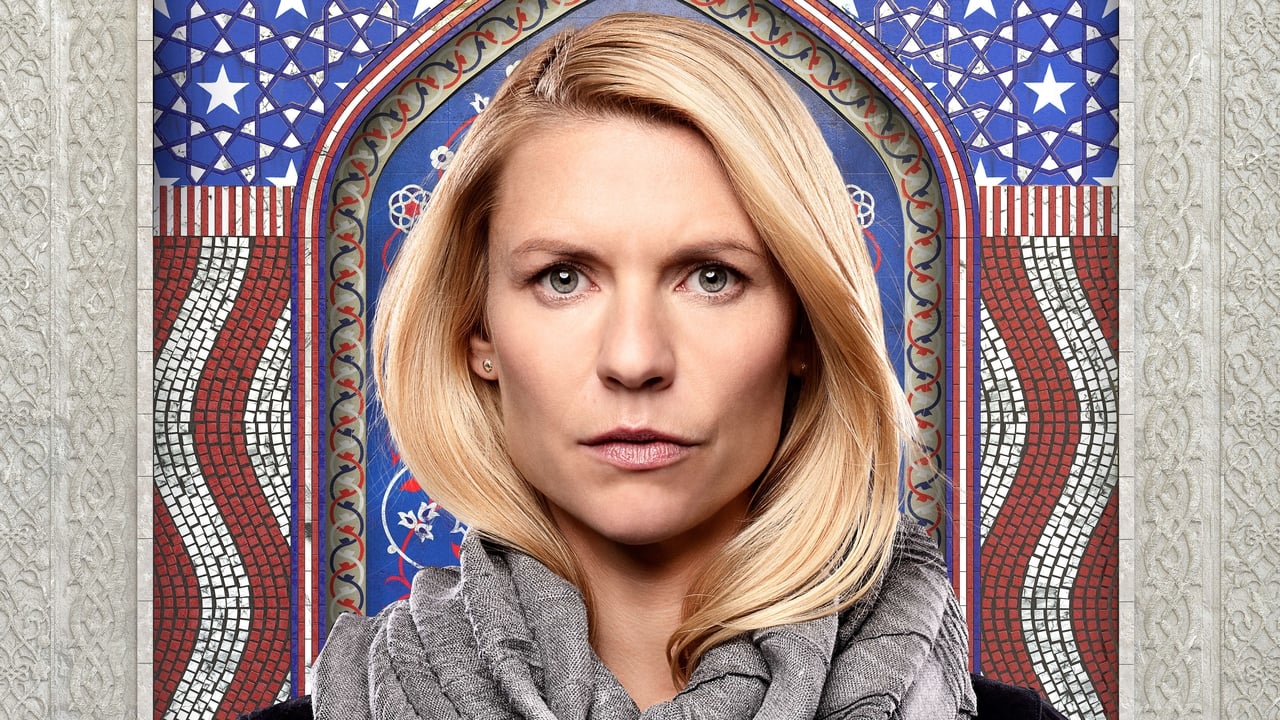
The Paranoia Engine That Hooked Us All
When Nicholas Brody stepped off that transport plane in 2011, American television shifted on its axis. Homeland didn't just present a standard post-9/11 counterterrorism narrative; it injected agonizing ambiguity right into the Oval Office's backyard. Carrie Mathison stood at the center as an explosive antihero, managing bipolar disorder while trusting an erratic gut instinct that everyone else wrote off as madness. The tension was suffocating because viewers were trapped inside Carrie's frayed psyche, questioning whether the decorated war hero was an American patriot or a ticking time bomb.
Inside the Real Washington Spy Games
Homeland's uncanny knack for predicting global political crises was no fluke. Prior to scripting each season, creators Alex Gansa and Howard Gordon transported their writing room to Washington for secret, off-the-record meetings with active intelligence operatives and diplomats. These frank briefings inspired storylines involving cyber warfare, Russian disinformation campaigns, and Middle Eastern diplomatic betrayals months before they splashed across national front pages. It bridged Hollywood spectacle with authentic Langley tradecraft in ways few military procedurals ever dared attempt.
Carrie and Saul's Moral Tightrope
Beyond the bomb-defusing set pieces and international renditions, the spine of the entire eight-season run was the fraught alliance between Carrie and Mandy Patinkin's Saul Berenson. Saul acted as Carrie's anchor, mentor, and occasional target. Patinkin played Saul with an exhausted, soulful gravity that contrasted beautifully with Danes' manic, razor-sharp intensity. Their dynamic explored the brutal toll of clandestine service: the agonizing personal sacrifices, the severed relationships, and the haunting realization that protecting national security often requires selling a piece of your soul.