Abyssal Horrors in the Norwegian Fjords
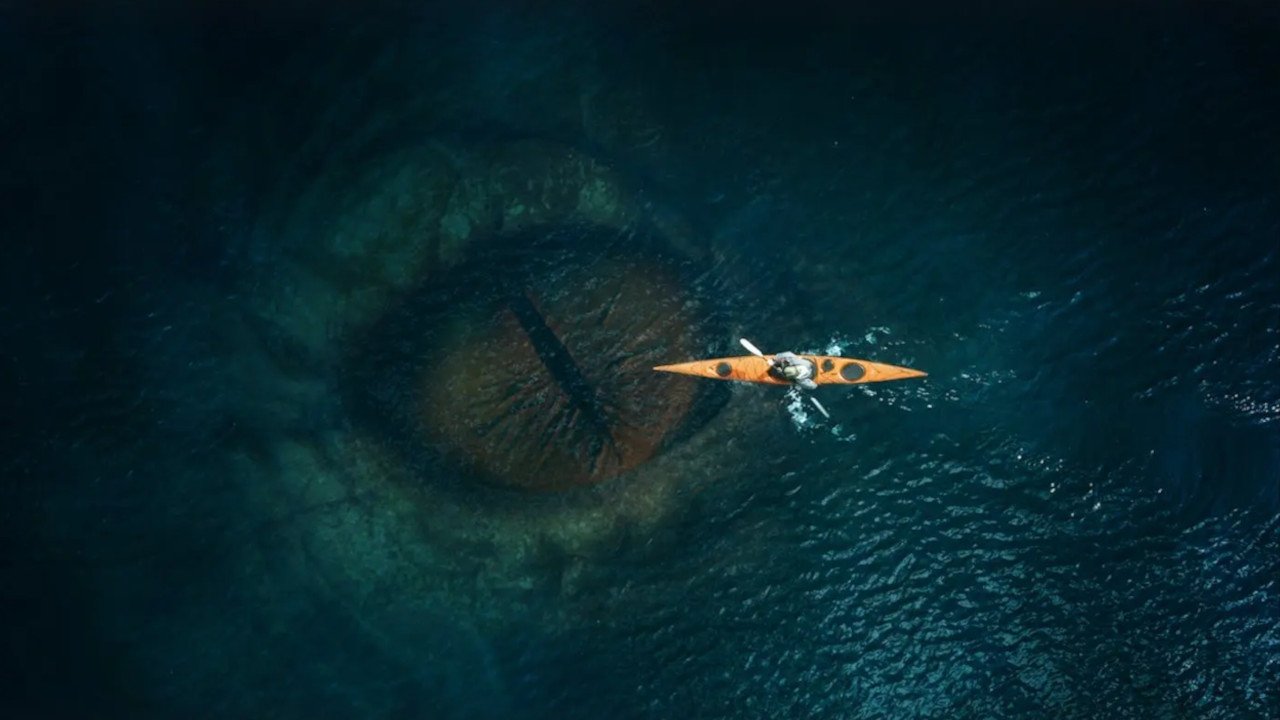
Centuries of Scandinavian maritime folklore warned sailors about gargantuan tentacled beasts dragging vessels into freezing depths. Director Pål Øie updates this mythos with a grounded premise set around a remote industrial fish farm. When a marine biologist uncovers gruesome deaths among local teenagers, the investigation quickly points downward into the unexplored ocean shelf. With ninety-five percent of Earth's waters still unmapped, the narrative taps into primal thalassophobia, treating the deep fjord as an icy, suffocating crime scene waiting for its apex predator to strike.
Grounded Performances Anchor the Dread
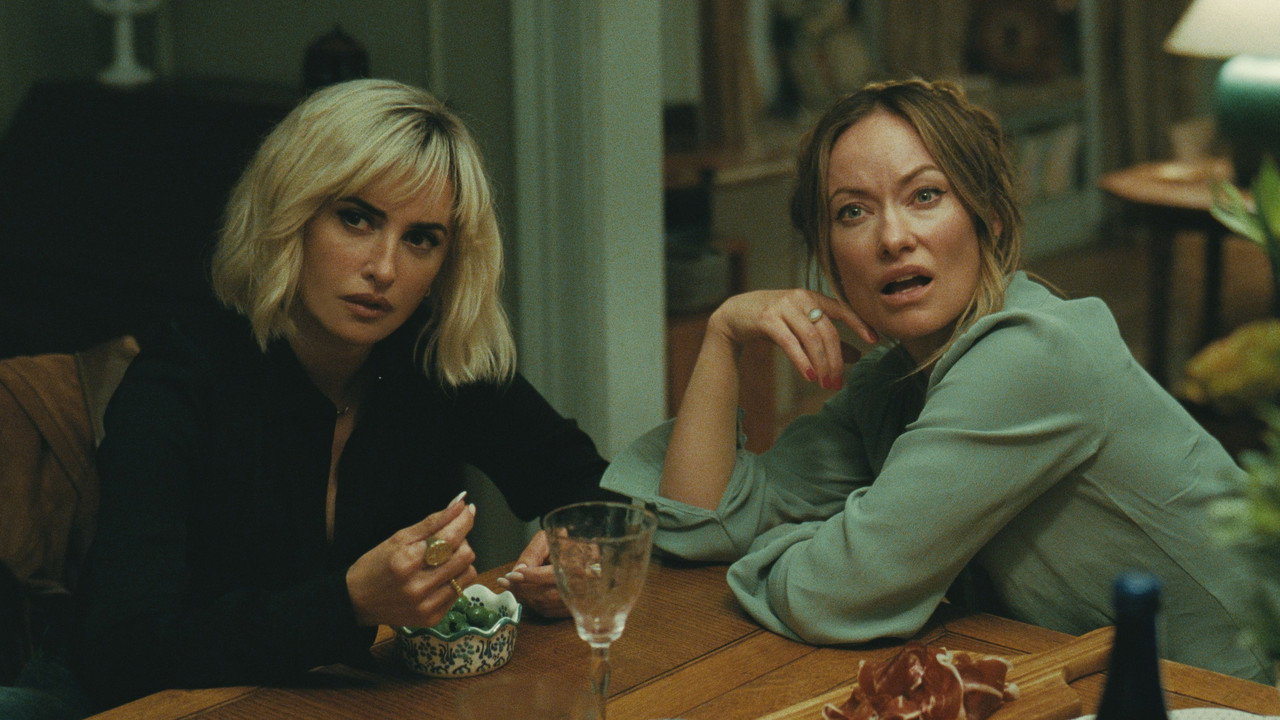
Leading the cast is Sara Khorami, whose collaboration with Øie ensures the high-concept terror stays grounded in scientific dread and psychological shock. Khorami portrays a researcher caught between ecological curiosity and raw survival instincts. Supported by measured turns from Mikkel Bratt Silset and Ingvild Holthe Bygdnes, the ensemble builds authentic stakes long before the creature takes center stage. Their grounded reactions give the impending maritime assault genuine emotional bite rather than descending into hollow B-movie camp.
Lean Runtime and Acoustic Terror
Clocking in at a brisk ninety-four minutes, Kraken refuses to get bogged down by tedious exposition or drawn-out melodrama. Nordic genre cinema has long held a reputation for economical pacing, and Øie leans heavily into atmospheric framing and unsettling sound design. Creaking hulls, low-frequency abyssal rumbles, and murky underwater camera angles do the heavy lifting before the monster breaches, proving that what remains hidden in the gloom often terrifies audiences far more than wall-to-wall digital carnage.