Grimy Alleys Over Polished Academies
While the mainline saga celebrated the glossy, institutional halls of U.A. High, this gritty spinoff strips away bureaucratic safety nets. Set in the shadowy district of Naruhata, the story abandons pro-hero licensing exams in favor of dirty gutter brawls. Here, unlicensed outcasts put their lives on the line without government sanction or corporate sponsors. By trading glossy arena tournaments for midnight patrol shifts, the narrative introduces an authentic moral ambiguity rarely seen in the flagship series, proving that genuine heroism frequently demands breaking the exact laws meant to preserve order.
The Misfit Trio Redefining Justice
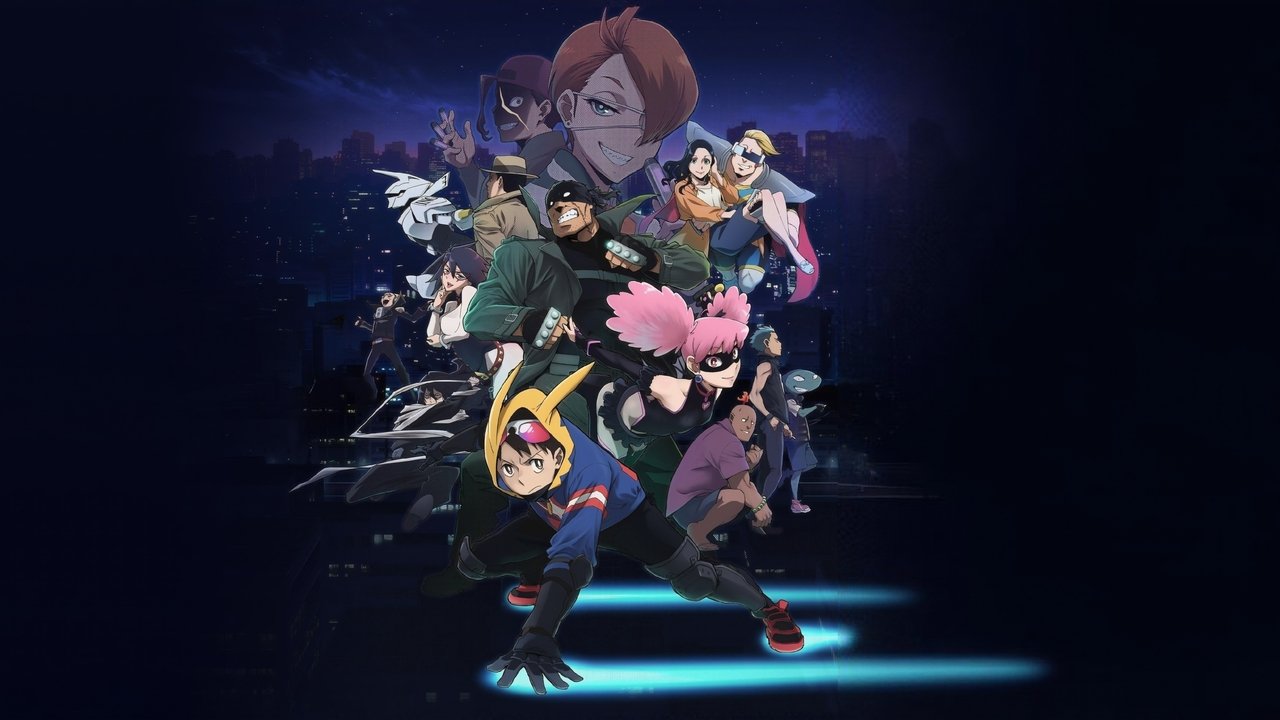
At the core of this underground crusade stands Koichi Haimawari, voiced with vulnerable charm by Shuichiro Umeda. Cursed with an unimpressive sliding quirk, Koichi seems destined for civilian obscurity until Yasuhiro Mamiya's brutal Knuckleduster drags him into the fray. Knuckleduster brings ferocious, quirkless fist-fighting reminiscent of classic pulp vigilantes, while Ikumi Hasegawa lends infectious energy as aspiring pop star Pop☆Step. Together, this makeshift squad tackles street-level extortion, petty thugs, and neglected community crises that high-ranking heroes consider beneath their pay grade.
Essential Lore and Unchecked Menaces
Far from disposable filler, the prequel injects vital historical context into the broader anime continuity. Longtime followers finally witness Eraser Head in his ruthless early days, operating before classroom responsibilities tempered his edge. Crucially, the narrative charts the sinister rise of Trigger, the volatile quirk-enhancing narcotic that fuels citywide chaos. By connecting these insidious black-market threads to early All Might history, the series provides indispensable backstory, transforming localized neighborhood skirmishes into the foundational tremors of an impending society-wide collapse.