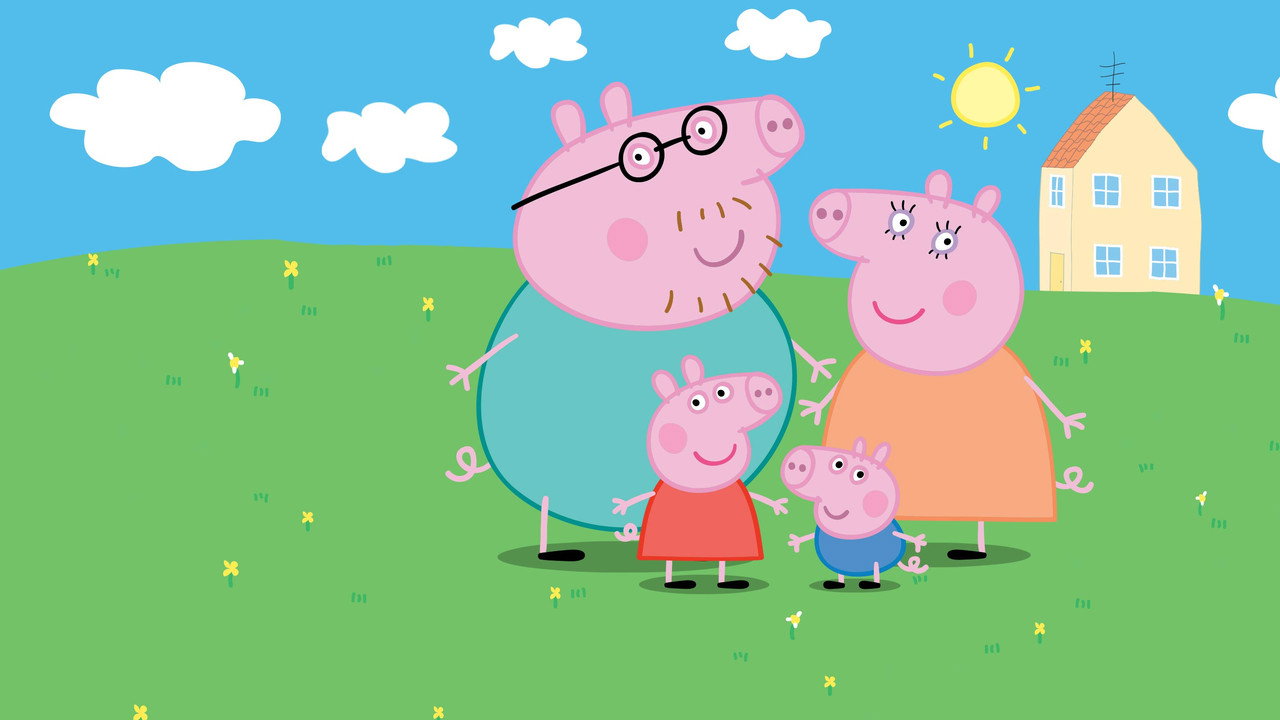
The Genius of Deceptive Simplicity
When animators Neville Astley and Mark Baker pitched Peppa Pig in the early 2000s, kid entertainment was drifting toward kinetic, over-stimulating 3D eye candy. The duo took the opposite gamble: 2D side-profile cutouts, primary color washes, and storylines built around everyday milestones like grocery shopping, dentist trips, and jumping in muddy puddles. That rhythmic cadence proved intoxicating to preschool attention spans. By stripping away hyperactive noise, Astley and Baker built an environment where subtle comic timing and mild domestic absurdity could thrive. It feels less like cynical corporate programming and more like an animated picture book brought gently to life.
The Rotating Roster Behind the Snort
Much of Peppa Pig's staying power lies in its impeccable, dry vocal ensemble. Veteran character actors like Richard Ridings (Daddy Pig) and Morwenna Banks (Mummy Pig) deliver deadpan reactions that tickle parents, while narrator John Sparkes grounds the chaotic energy with soothing, wry British warmth. Casting genuine children for Peppa—such as Harley Bird, who won a BAFTA for the role, and current star Amelie Bea Smith—keeps the dialogue refreshingly unpolished. The giggles and clumsy pronunciations sound real rather than rehearsed in an audition room, giving the show an organic charm rare in commercial animation.
The 'Peppa Effect' and Modern Pop Culture
Beyond merchandising sales and theme park rides, Peppa achieved an odd cultural immortality through the so-called 'Peppa Effect.' During lockdown binges, parents across North America noticed their toddlers unironically using terms like 'petrol station' and adopting clipped English accents. Meanwhile, Gen Z turned Peppa into an ironic internet titan, spawning viral TikTok trends and treating her surprise electronic music albums like serious pop drops. What began as a gentle bedtime diversion now exists in a bizarre pop culture space where tiny children and irony-poisoned college students celebrate the same pink piglet.