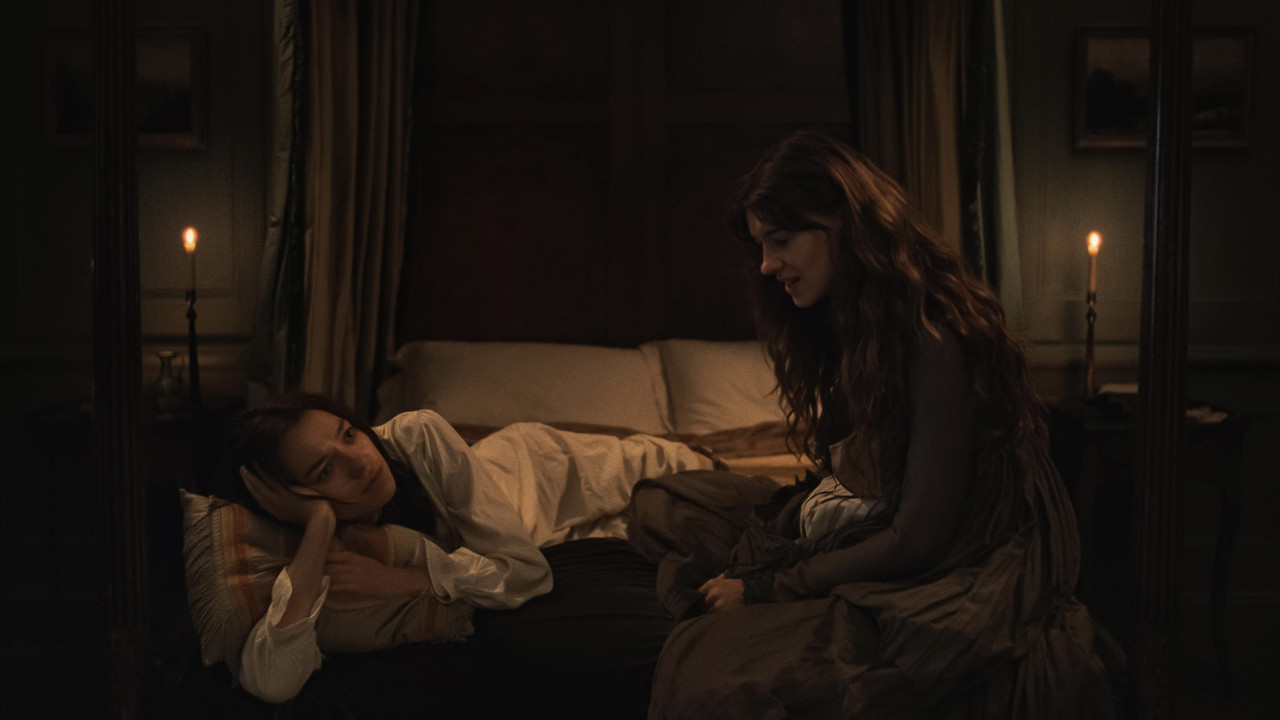
Reimagining Austen’s Sisterly Heartbeat
Jane Austen adaptations often risk slipping into stiff parlor decorum, but director Georgia Oakley looks determined to break that mold. Focusing deeply on the emotional turbulence of Elinor and Marianne Dashwood, this version treats the sudden loss of social standing not just as etiquette drama, but as raw survival. With Daisy Edgar-Jones balancing reserved grace against Esmé Creed-Miles’ untamed impulse, the central sibling bond anchors every scandal, quiet heartbreak, and romantic dilemma facing the impoverished family.
An All-Star Ensemble Takes the Stage
Beyond its lead duo, the production gathers an enviable roster of dramatic talent. Caitríona Balfe brings formidable emotional presence to the fold, alongside veteran Fiona Shaw, whose biting gravitas promises to elevate every social clash. George MacKay steps into the romantic fray, lending his trademark intensity to Regency courtship. Rather than relying on romantic nostalgia alone, this ensemble provides the dynamic friction needed to keep nineteenth-century romantic entanglements urgent, authentic, and emotionally volatile for contemporary theatergoers.
Georgia Oakley’s Subversive Visual Direction
Oakley, celebrated for her razor-sharp debut Blue Jean, proves an inspired choice to helm a classic costume drama. With a generous 132-minute runtime, she allows Austen's world breathing room without drifting into museum-piece stiffness. Early glimpses point toward tactile cinematography, natural lighting, and sharp framing that unmasks the brutal transactional nature of Regency-era romance. It preserves Austen’s signature sharp wit while steering clear of superficial period tropes, crafting a rich feast for purists and newcomers alike.