The Groundbreaking 2002 Blueprint
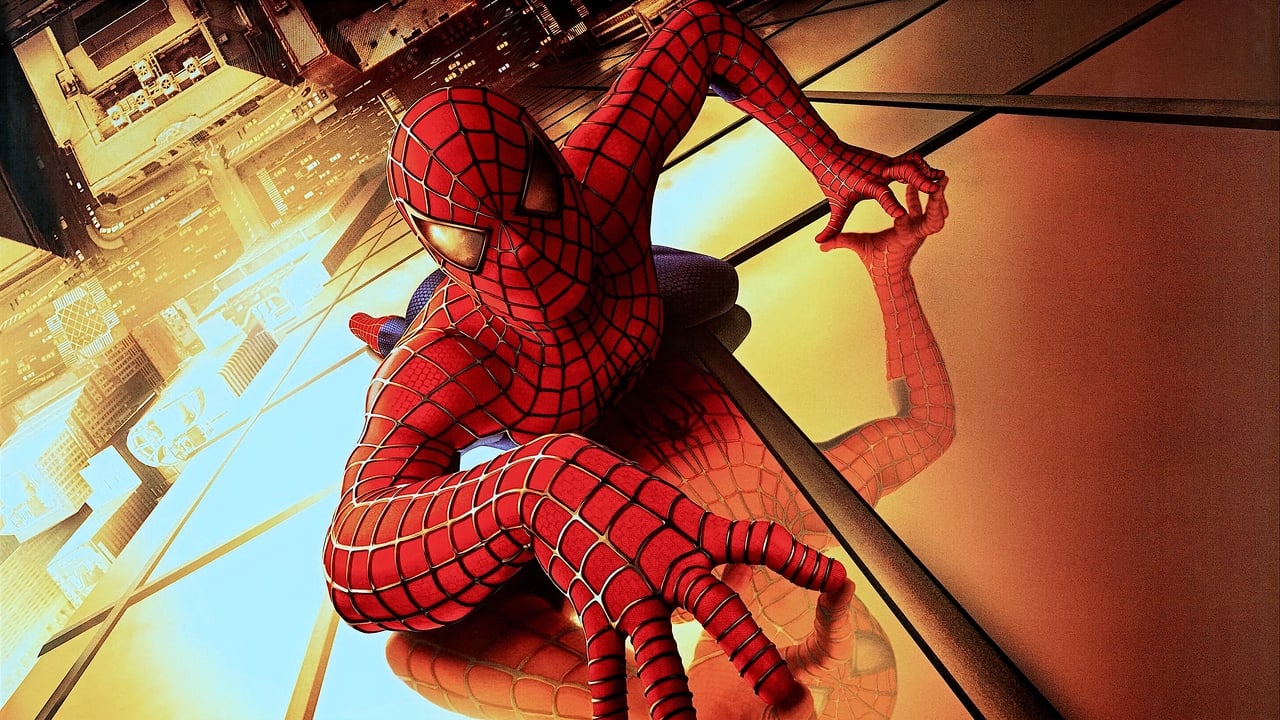
Before sprawling cinematic universes dominated multiplexes, Sam Raimi delivered an earnest, character-first origin story that captured genuine adolescent angst. When Peter Parker gets bitten by that Oscorp super-spider, the stakes feel intimate rather than cosmic. Raimi treated Stan Lee and Steve Ditko's legendary source material with uncompromised reverence, establishing emotional grounding before launching into high-flying thrills. By centering the story around loss, responsibility, and the messy reality of working-class survival, the 2002 outing showed Hollywood that superhero movies could pack genuine emotional weight.
Dafoe and Maguire's Unrivaled Dynamic
The beating heart of the film lies in the chaotic ideological duel between Tobey Maguire's sincere Peter Parker and Willem Dafoe's unhinged Norman Osborn. Maguire perfectly captured Peter's awkward innocence and internal turmoil, making his grief over Uncle Ben visceral. Across from him, Dafoe chose pure theatrical venom, delivering the split-personality mirror sequence with manic intensity without needing digital trickery. Their brutal, blood-splattered final showdown in an abandoned ruin delivered real physical stakes that clean modern spectacles frequently struggle to match.
Raimi's Kinetic Visual Signature
Fresh off cult horror triumphs, Raimi brought dynamic camera whip-pans, operatic close-ups, and dramatic lighting directly onto Manhattan's rooftops. Instead of relying exclusively on nascent digital effects, the production leaned heavily on practical wirework, real set destruction, and tactile costumes that gave web-swinging genuine aerodynamic weight. Danny Elfman's sweeping orchestral score tied the package together, cementing an iconic audiovisual identity that feels distinctly operatic. Over two decades later, those swinging sequences through New York skyscrapers continue to evoke pure, unfiltered cinematic joy.