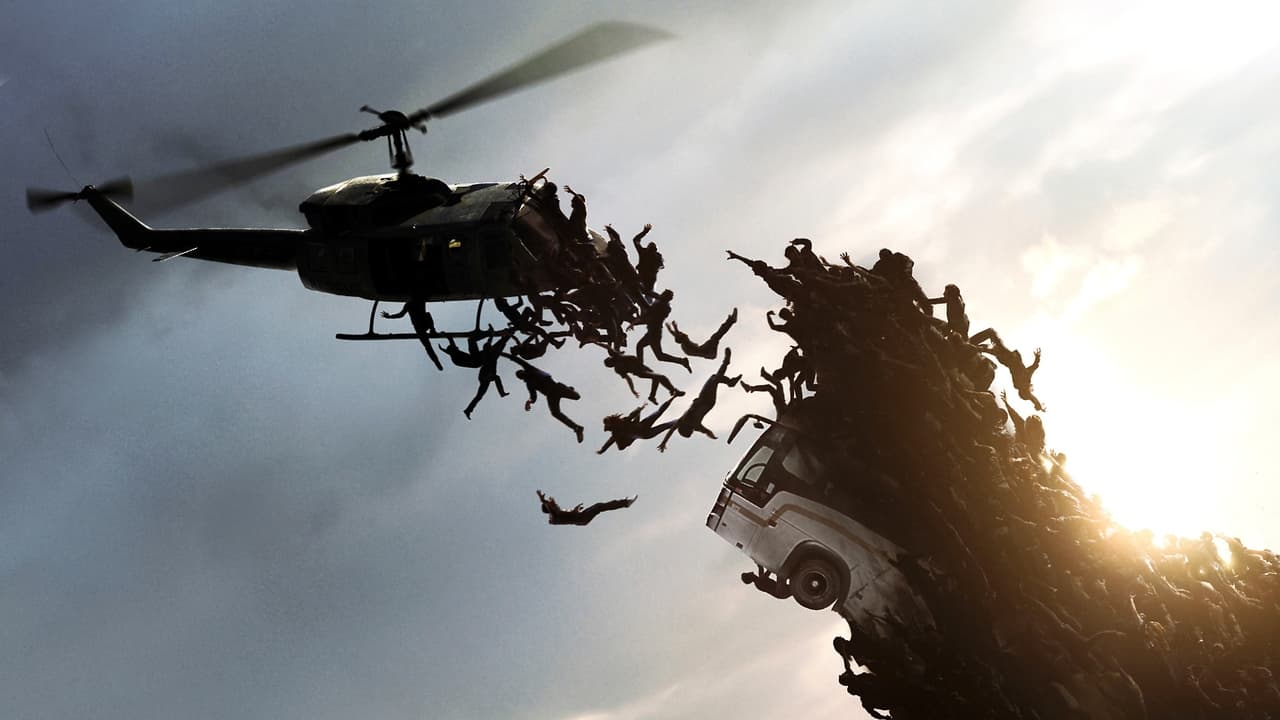
A Global Scale That Scrapped Romero Rules
Traditional horror long relied on lumbering corpses, but Marc Forster threw out George Romero's playbook in favor of rabies-speed swarming masses. The opening Philadelphia ambush sets an unrelenting tempo, establishing an infection that tears through whole metropolises within minutes rather than weeks. Gerry Lane's desperate trek takes viewers from aircraft carriers to South Korea and Jerusalem, emphasizing systemic international collapse over small-scale cabin survival. That shift into globetrotting epidemiological detective work transformed a familiar monster setup into an urgent geopolitical puzzle.
Pitt's Grounded Heroics and Quiet Intensity
Brad Pitt anchors the mayhem not by playing an indestructible commando, but by channeling frantic resourcefulness as an ex-UN investigator. Alongside sharp turns from Mireille Enos and Daniella Kertesz as the resilient soldier Segen, Pitt sells the sheer exhaustion of watching civilization buckle in real time. Rather than relying entirely on heavy artillery, the narrative hinges on Lane observing minuscule behavioral anomalies. His quiet deduction grounds the frantic CGI sequences, delivering genuine suspense once the action narrows into claustrophobic laboratory corridors.
The Camouflage Clue Hiding in Plain Sight
Rewatching the chaos reveals meticulous visual foreshadowing around which targets the undead actively bypass. Long before Lane formulates his terminal pathogen theory inside the Cardiff research facility, observant viewers can spot infected sprinters parting around visibly infirm individuals during early crowd stampedes. It completely flips survival instincts on their head: physical vulnerability becomes an invisible armor. This narrative thread rewards repeat viewings, offering an ingenious biological rationale that sets the film apart from standard disaster fare.