Defying the Hollywood Skeptics
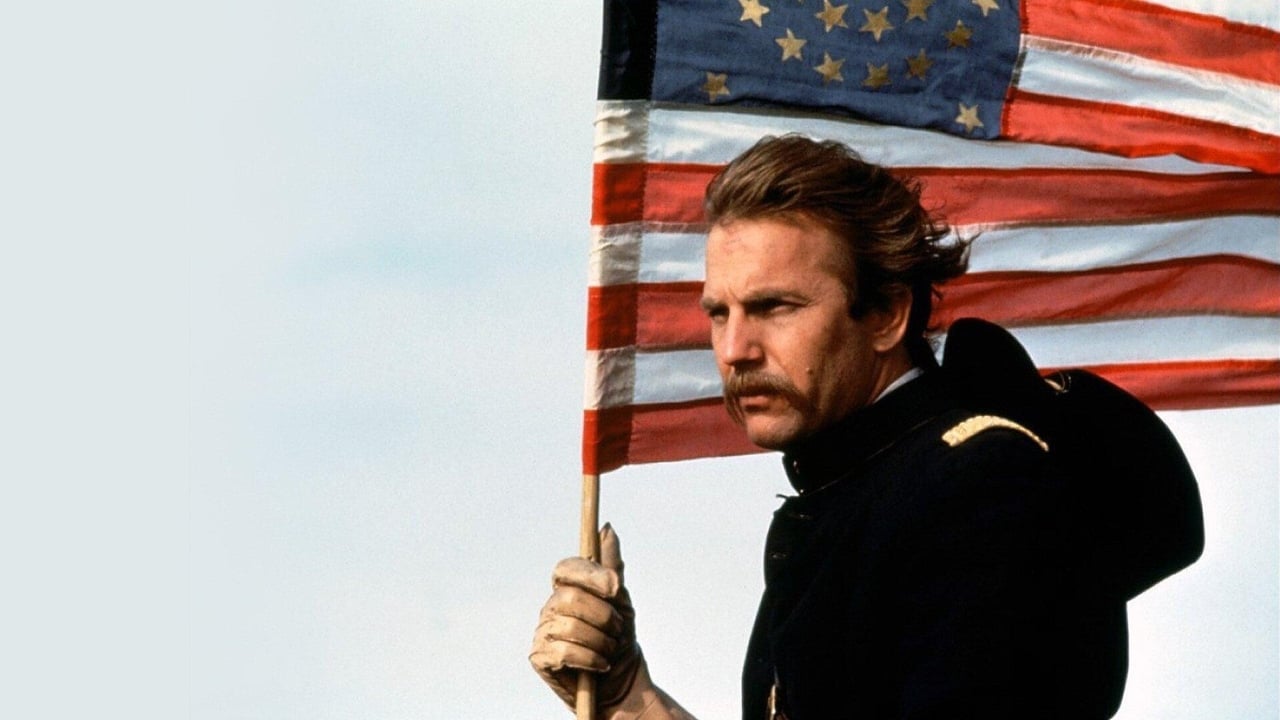
In 1990, the Western was widely considered box-office poison, especially a sprawling, three-hour historical drama directed by a first-timer. Industry insiders cynically dubbed the production 'Kevin's Gate,' anticipating a financial disaster reminiscent of Michael Cimino's infamous epic. Instead of chasing safe commercial trends, Kevin Costner put his own rising star power on the line to chronicle Lieutenant John Dunbar's transformative journey at an isolated Dakota territory post. The bet paid off massively, shattering industry cynicism and proving audiences still hungered for patient, character-driven grandeur on the giant screen.
A Groundbreaking Shift in Representation
Mainstream Hollywood had spent decades treating indigenous peoples as caricatures or faceless antagonists. Costner deliberately shattered that pattern by casting genuine Native American performers, led by Graham Greene's quiet gravitas as Kicking Bird and Rodney A. Grant's fiery Wind In His Hair. Even more daring for a major studio release at the dawn of the nineties, extensive portions of dialogue unfolded entirely in the Lakota language accompanied by English subtitles. This insistence on cultural dignity gave Dunbar’s gradual immersion into the tribe an emotional resonance rarely seen in twentieth-century studio productions.
The Danger Behind the Buffalo Hunt
Long before digital CGI crowds became standard practice, staging the climactic buffalo stampede presented terrifying logistical challenges. Crew members herded 3,500 real bison across the expansive South Dakota prairie, while Costner insisted on performing his own bareback riding and shooting maneuvers alongside the herd. A single mistimed leap could have sparked real tragedy amidst thousands of thundering hooves. Cinematographer Dean Semler captured the raw, kinetic pandemonium using natural light and sweeping tracking shots, cementing the sequence as one of the most breathtaking practical action feats ever preserved on celluloid.
Sweeping Hollywood's Biggest Night
By the time the 63rd Academy Awards rolled around, Costner’s passion project had transformed into a certified juggernaut, earning twelve nominations and taking home seven statues. It beat out Martin Scorsese's mob masterpiece Goodfellas for both Best Picture and Best Director, sparking debates among cinephiles that rage to this day. Regardless of where you fall in that classic awards showdown, the film's poetic score by John Barry and its sweeping pastoral landscapes remain a towering benchmark for modern cinematic epics.