A Radical Shift for Jenna Ortega
Jenna Ortega continues to chart one of the most adventurous career trajectories in modern Hollywood. Moving past the sharp satire of Wednesday and high-octane horror, Ortega steps into the fragile circuitry of Klara, an Artificial Friend blessed with keen observational intelligence. Early buzz suggests Ortega delivers an eerily quiet, restrained performance that balances mechanical precision with profound yearning. Portraying a sentient solar-powered companion trying to comprehend mortal grief grants Ortega her most vulnerable dramatic role to date, placing her squarely in serious critical contention.
Waititi Trades Humor for Emotional Resonance
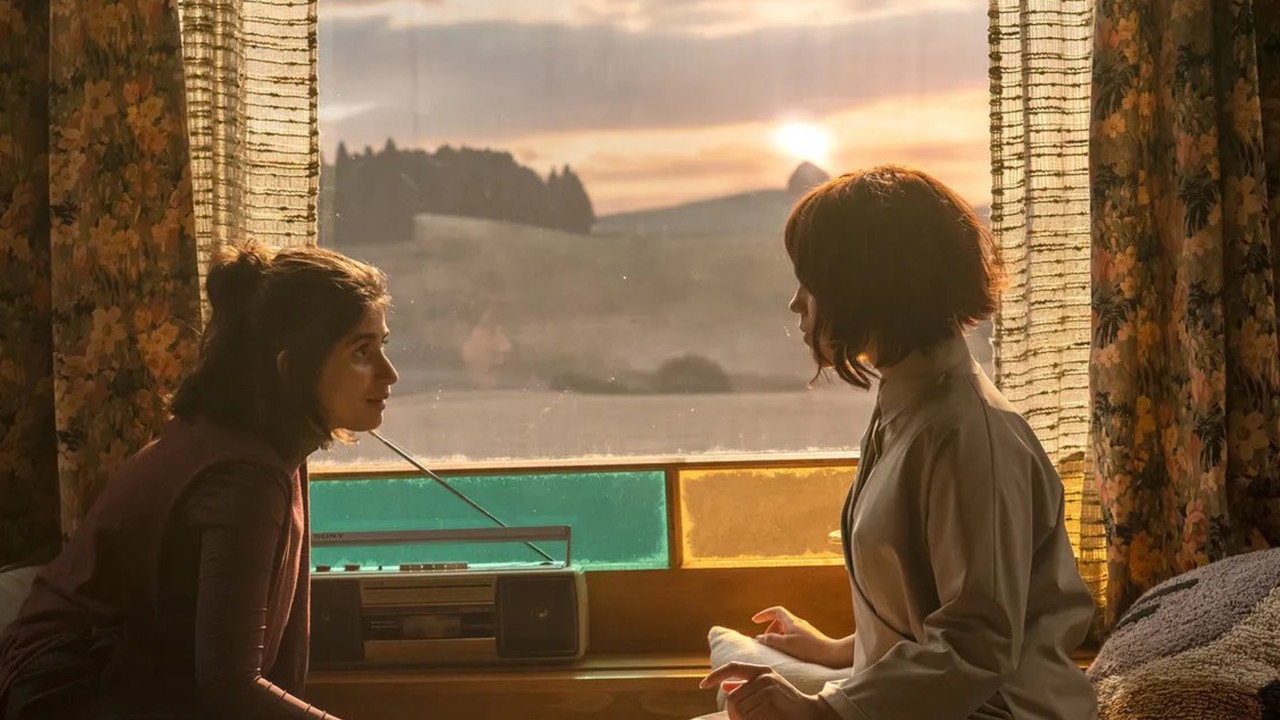
Following the hyperactive silliness of recent comic book blockbusters, Taika Waititi is deliberately recalibrating his directorial voice. Handling Kazuo Ishiguro's prose demands an introspective discipline far removed from Waititi's signature irreverence. In shaping Klara and the Sun, the filmmaker leans toward the tender, grounded humanity previously glimpsed in Boy and Jojo Rabbit. The production design imagines a sleek, near-future landscape that feels unsettlingly close to reality, favoring muted natural light and quiet observation over flashy visual effects.
A Powerful Ensemble Explores Fragile Humanity
An adaptation of this literary pedigree requires powerhouse performers, and the call sheet does not disappoint. Six-time Oscar nominee Amy Adams brings gravitas to the role of a desperate mother grappling with looming tragedy, while Natasha Lyonne injects nervous vitality into the margins. Alongside newcomer Mia Tharia as the frail teenager Josie, the cast translates high-concept cybernetics into raw familial friction. By keeping the emotional stakes personal, the ensemble explores what happens when a machine displays more grace than the broken family that purchased her.