The Chris Farley Tragedy and Rebirth
Before Mike Myers stepped onto the soundstage, comedic hurricane Chris Farley had recorded roughly 90 percent of the ogre's dialogue. Farley's original interpretation painted Shrek as a gentle, eager-to-please loner who yearned for companionship. Following Farley's tragic passing in 1997, DreamWorks halted production to recalibrate the entire narrative. Myers took over under the condition that screenwriters revamp the script to match his distinct brand of dry, cynical irony, transforming the sweet-natured outcast into the world-weary, swamp-defending antihero audiences love today.
A Multimillion-Dollar Scottish Gamble
Even after production was back on track, Myers grew dissatisfied with his initial vocal takes, which sounded like his Canadian standard voice. Convinced that an earthy Scottish accent would better capture Shrek's working-class defiance against Lord Farquaad's aristocratic tyranny, he asked studio chief Jeffrey Katzenberg for permission to start over. Animators were forced to redo entire finished sequences to synchronize facial movements with Myers' new cadence. The eleventh-hour revision cost roughly $4 million, yet that brash brogue ultimately cemented the character's legacy.
Shattering the Disney Monolith
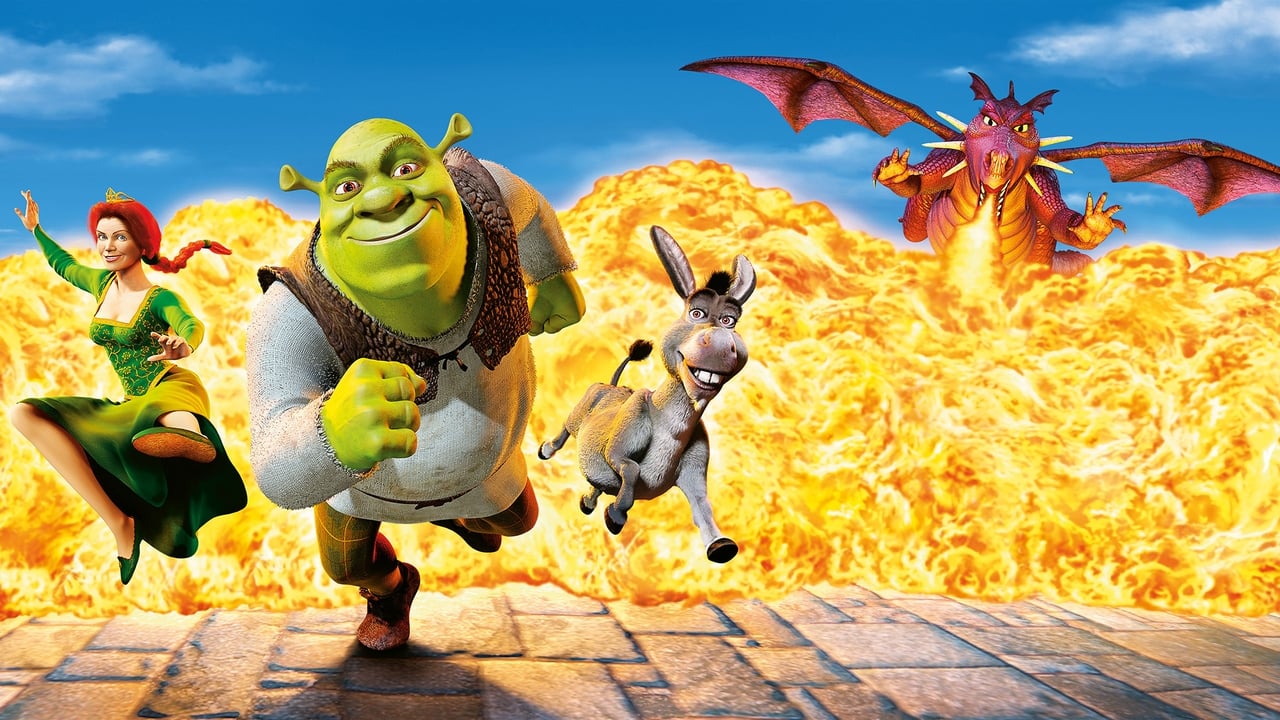
Premiering in May 2001, Shrek felt like an intentional grenade lobbed at sanitized storybook conventions. Powered by Eddie Murphy's electric improvisations as Donkey and Cameron Diaz's martial-arts-capable Princess Fiona, the film traded predictable moralizing for sharp satire and an alt-rock soundtrack. When the Academy of Motion Picture Arts and Sciences established the Best Animated Feature category at the 74th Oscars, Shrek swept past traditional competitors to capture the inaugural statuette, proving family entertainment could be unapologetically cheeky and critically revered.
An Unkillable Pop-Culture Legacy
More than two decades later, Shrek remains an unmatched cultural titan, thriving through internet memes, stage adaptations, and anticipated sequels. While contemporary computer animation has grown far more photorealistic, few modern releases replicate this film's lightning-in-a-bottle comedic timing and emotional resonance. Its enduring core message—that true beauty lies in embracing your own messy, layered self—strikes just as deep today as it did when Smash Mouth first blasted across that muddy swamp.

